
Website strategy
What really makes a premium website stronger
Beyond visual design, structure, speed and trust are what make a website feel truly professional.
StructureSpeedTrust
Read article →Practical Qavirio insights on premium websites, digital structure, platforms and online growth.
From premium websites to platform strategy: these insights help businesses, brands and projects build in a more digital, clearer and more professional way.
Explore practical articles about websites, platform structure, UX, SEO, technology and digital growth — clearly written for businesses, brands and projects that want a stronger online presence.
Beyond visual design, structure, speed and trust are what make a website feel truly professional.

Many platform ideas begin too broadly. A better first step is reducing the concept to core users, essential flows and a realistic MVP.

A multilingual site only works well when navigation, tone and structure remain natural in every language.
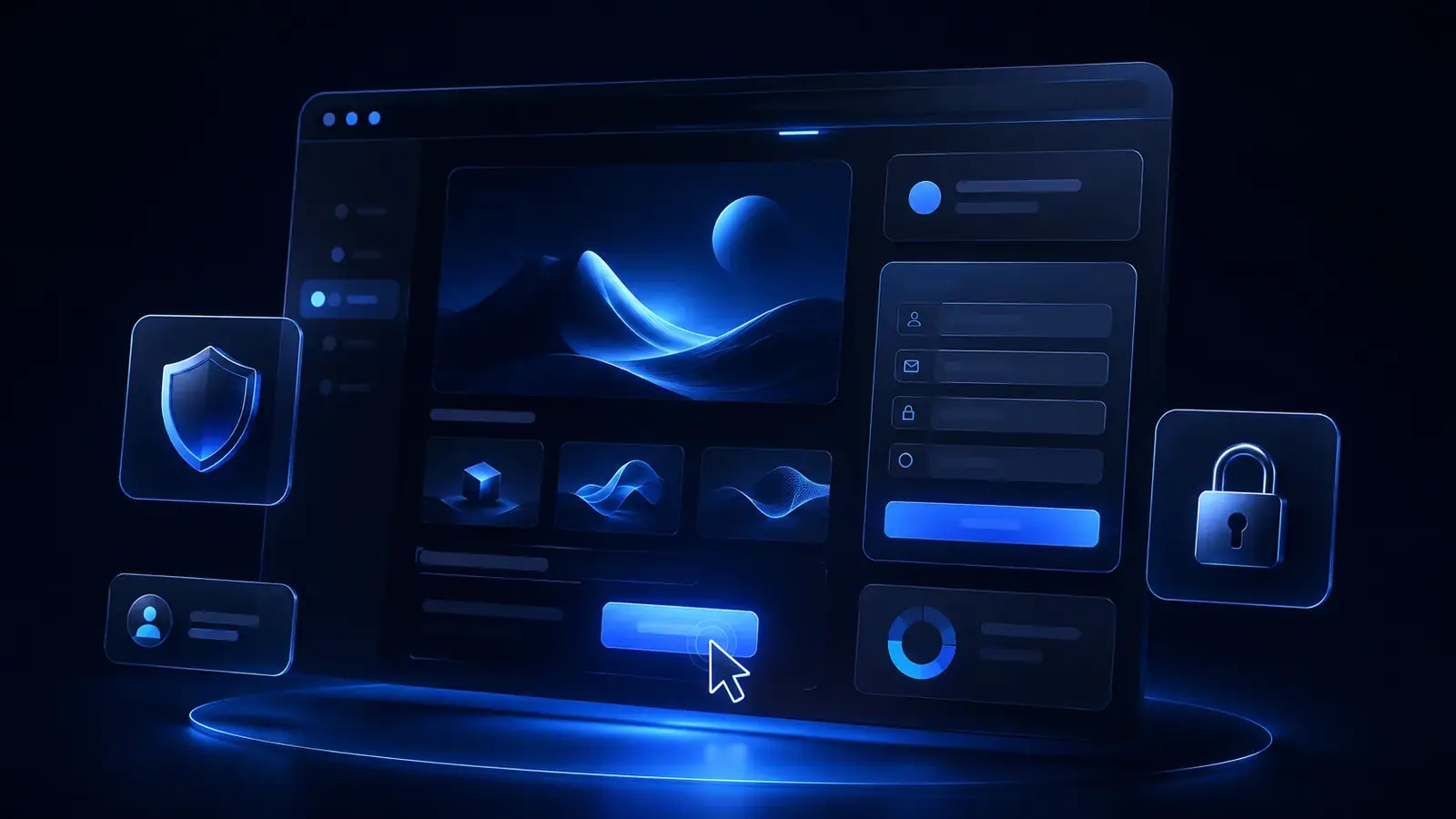
Visitors form an impression quickly. Busy layouts, oversized text blocks or unclear buttons weaken trust almost immediately.

A site may look good, but without a solid technical foundation it loses reach, usability and credibility.

Once a site goes live, practical questions appear: content updates, refinement, feedback and ongoing optimisation.
Beyond visual design, structure, speed and trust are what make a website feel truly professional.
A strong website starts with clear positioning. Within seconds, visitors should understand who the site is for, what it offers and why it matters.
Then come rhythm, hierarchy and composition. Strong typography, thoughtful spacing, smart imagery and logical calls to action all help a website feel clearer and more premium.
Technical quality matters too: mobile usability, loading speed, basic SEO and a clean content structure are not details but core foundations. That combination is what turns a site from merely online into genuinely convincing.
Many platform ideas begin too broadly. A better first step is reducing the concept to core users, essential flows and a realistic MVP.
A digital platform does not need to do everything at once. It is often smarter to identify the most important user, what they need to achieve and which core steps make that possible.
From there, the first building blocks appear: dashboards, forms, profiles, filters, payments, notifications or a simple content structure. Mapping those pieces early creates clarity.
Qavirio enjoys helping with this stage: structure, positioning, build order and practical decisions that lead to a scalable and focused platform concept.
A multilingual site only works well when navigation, tone and structure remain natural in every language.
Translation alone is rarely enough. A strong multilingual website also considers culture, reading rhythm, phrasing and differences in search behaviour.
The user flow must also stay coherent: a visible language switcher, consistent page structure and content that feels believable in each language.
For projects spanning the Netherlands, France and wider international audiences, that extra attention makes a real difference.
Visitors form an impression quickly. Busy layouts, oversized text blocks or unclear buttons weaken trust almost immediately.
Strong UX is not only about visual appeal but about clarity. Each section should serve a purpose and help the visitor move forward without friction.
Trust grows through consistency: recognisable buttons, clear headings, clean forms, logical spacing and a calm visual hierarchy. Those details often make the biggest difference.
When friction disappears, a website or platform naturally feels more credible, more usable and more professional.
A site may look good, but without a solid technical foundation it loses reach, usability and credibility.
Loading speed, clean code, mobile behaviour and basic SEO help ensure a website is not only attractive but also practically strong.
Technical cleanliness also means clear heading structure, optimised images, tidy forms, good metadata and a codebase without unnecessary clutter.
For businesses and projects that want to be taken seriously, that hidden layer of quality matters more than most people realise.
Once a site goes live, practical questions appear: content updates, refinement, feedback and ongoing optimisation.
Many websites and platforms become stronger in the period after launch. That is when patterns emerge and it becomes clear where extra clarity or improvement is needed.
Optimisation may involve content, calls to action, structure, imagery, speed or functional expansion.
Qavirio therefore treats launch not as the end of the project, but as the beginning of a more professional digital growth phase.